
KANMAK MACHINERY · SINCE 1980
Practical Knowledge for
Your Production
The right machine, compatible dies and regular maintenance form the foundation of efficient production. Explore textile fastener applications, machinery types and production processes through practical guides from KANMAK.

Which snap fastener machine suits your production?
Manual, electric, motor-driven and automatic machines operate differently. Start by considering your daily production target, fastener types and workflow together.
Read the selection guide →KNOWLEDGE AND EXPERIENCE
Machine and application guides
Explore machine comparisons, fastener applications and maintenance advice to help you choose. New guides appear here automatically.
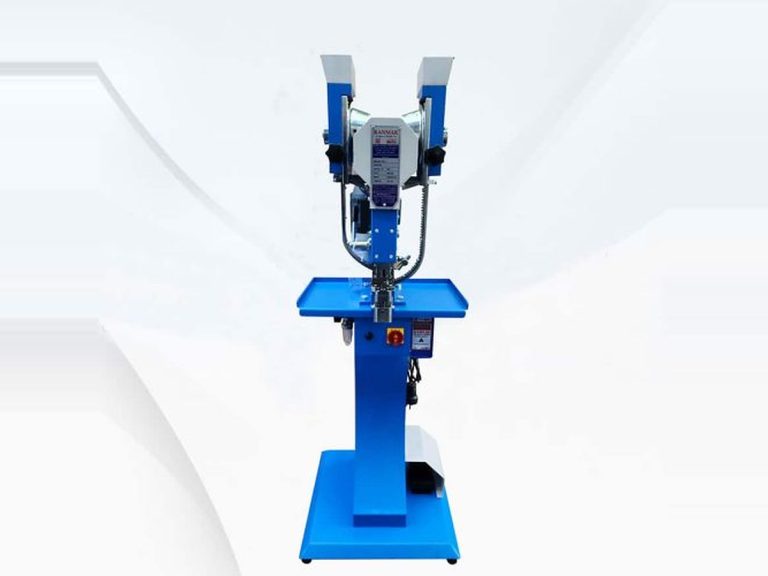
How to Choose an Eyelet Setting Machine for Tarpaulins, Footwear, Bags and Textiles
Read the guide →: How to Choose an Eyelet Setting Machine for Tarpaulins, Footwear, Bags and TextilesChoose an eyelet setting machine for tarpaulins, footwear, bags and textiles. Compare KM400K, KM6400 and KM6300, washer feeding and die compatibility.
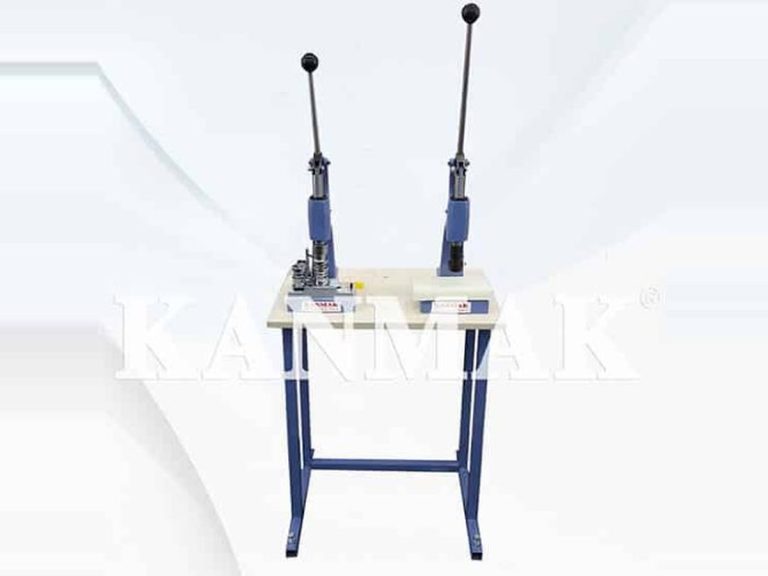
Fabric-Covered Button Production: Manual and Pneumatic Button Covering Machines
Read the guide →: Fabric-Covered Button Production: Manual and Pneumatic Button Covering MachinesHow covered buttons are made, a comparison of the manual KM 7000 and pneumatic KM 7100 and KM 7200 sets, and practical production tips.
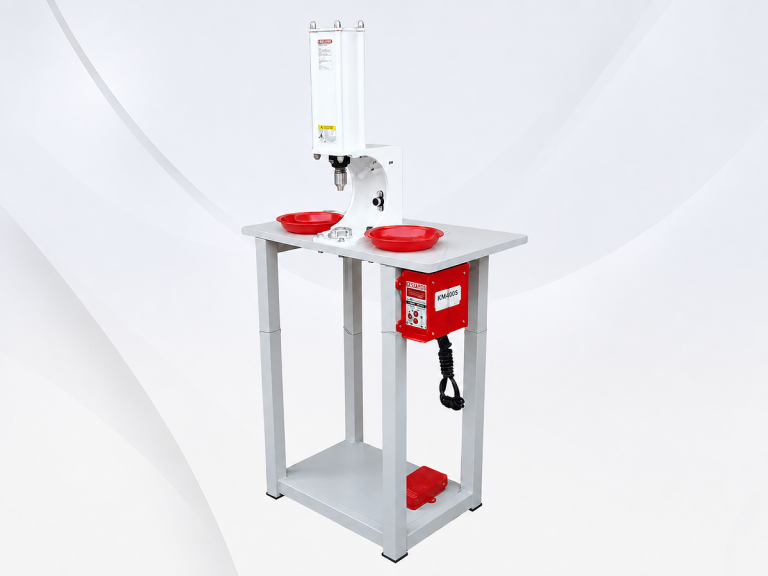
Accessory Setting Machine Maintenance: 7 Tips for a Longer Service Life
Read the guide →: Accessory Setting Machine Maintenance: 7 Tips for a Longer Service LifePractical advice on die alignment, setting force, lubrication and electrical connections for snap, eyelet and rivet machines, plus a maintenance schedule.
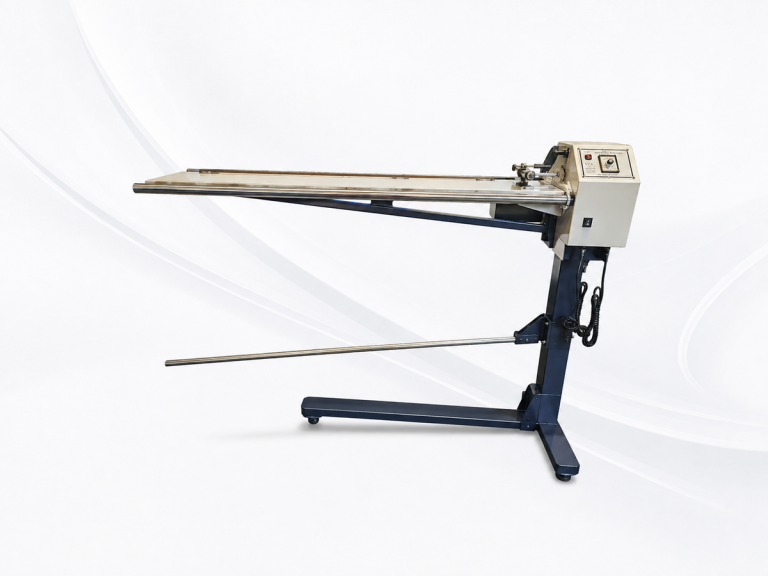
What Is Fabric Binding and How Does a Bias Cutting Machine Work?
Read the guide →: What Is Fabric Binding and How Does a Bias Cutting Machine Work?Binding applications, cutting strips from open-width and tubular fabric, and the differences between the KM 1500 and KM 1700 machines.
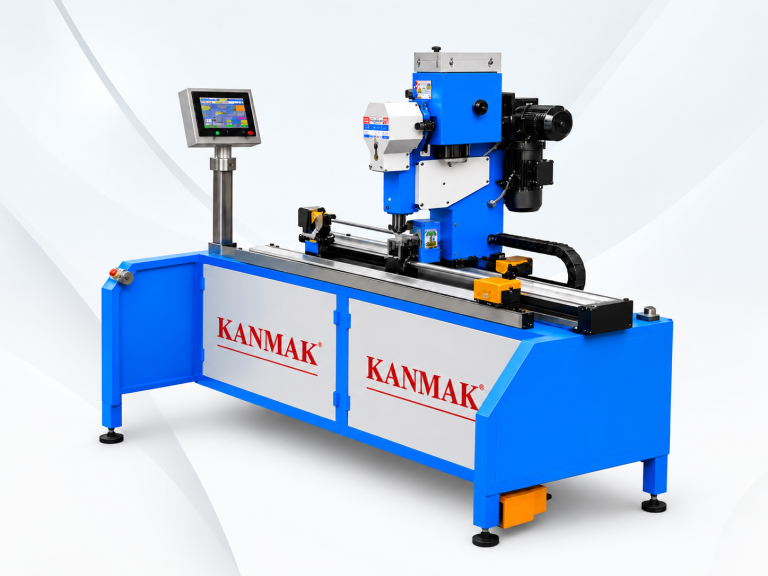
Snaps, Eyelets and Rivets: Accessory Types and Choosing the Right Dies
Read the guide →: Snaps, Eyelets and Rivets: Accessory Types and Choosing the Right DiesCommon textile fasteners, where they are used, which machines set them, and how changing dies allows one press to handle different jobs.
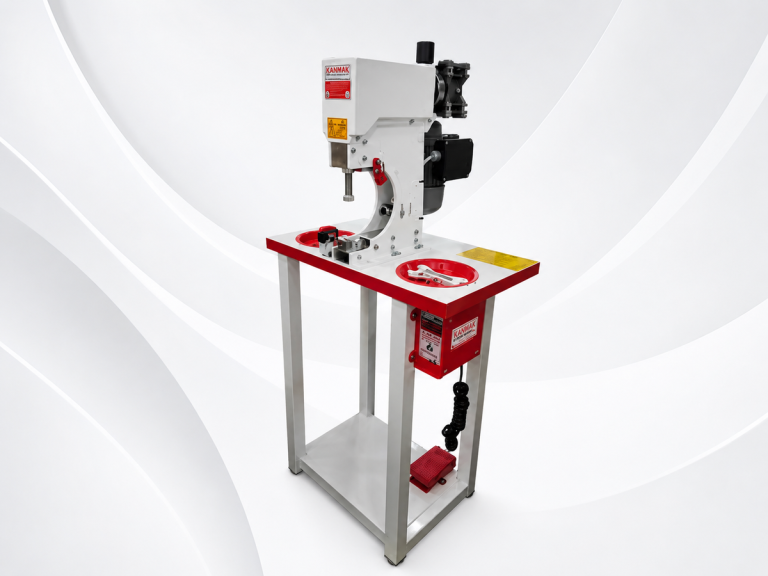
How to Choose a Snap Fastener Machine: Manual, Electric, Motor-Driven and Automatic Models
Read the guide →: How to Choose a Snap Fastener Machine: Manual, Electric, Motor-Driven and Automatic ModelsThe differences between manual presses, electric, motor-driven and automatic snap machines, and how to choose according to your production needs.


Review your production in three steps
Fastener compatibility and your working process matter alongside machine capacity.
A machine that fits your work
Identify your daily output, materials and fastener types. If you plan to handle different jobs on one machine, also consider die changes and working space.
Compare machine types →Compatible fasteners and dies
Snaps, eyelets and rivets require dies suited to their design. Check the match on a sample, taking fastener dimensions, fabric thickness and the fastening structure into account.
Explore the fastener guide →Regular maintenance and checks
Include cleaning, die alignment and connection checks in your maintenance plan. Follow your machine’s operating instructions for lubrication points and service intervals.
Read the maintenance guide →Prepare before choosing a machine
The following information helps us identify a suitable machine and die set for your application.
- Fastener samples and dimensionsShare the upper and lower fastener components, diameter and model.
- Material and number of layersProvide a material sample and the number of layers, whether you work with denim, knitted fabric, leather or another material.
- Production target and workflowConsider your daily output target, changeover frequency and operator workflow.
- Workspace and utilitiesCheck the available floor space, power supply and any other utility requirements for the selected model.
Frequently asked questions
Should I choose a manual press or an automatic machine?
Your output and range of applications guide the choice. Manual presses may suit lower volumes and varied tasks. Automatic models support series production depending on their feeding system and application. Share a fastener sample and daily production target so we can compare options.
Can one machine handle different fasteners?
Some presses support different fastener applications with compatible die changes. Compatibility varies by machine. Check the fastener dimensions, upper and lower components and machine specifications together.
What should I consider when choosing a bias cutting machine?
Key considerations include open-width or tubular fabric, the required strip width and your production process. Use a fabric sample and your target cutting dimensions to compare the models in our bias cutting guide.
How do manual and pneumatic button covering systems differ?
A manual system uses the operator’s force through a lever, while a pneumatic system uses compressed air. Button size, covering fabric, output target and the available air supply influence the choice.
How often should I maintain my machine?
Service intervals vary by model and workload. Follow the schedule in the operating manual. Before cleaning or adjustment, stop the machine and follow the manual’s energy isolation procedure. Contact technical support for model-specific tasks.
Let us find the right solution for your production
Share your fastener and fabric samples, production target and application requirements. Contact KANMAK for machine selection, die compatibility and after-sales technical support.